
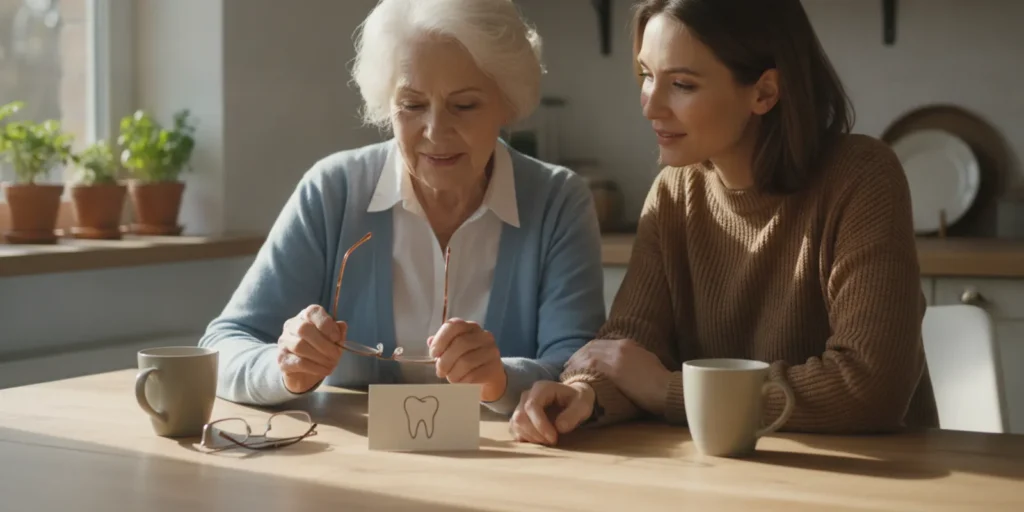
Planning elderly dental care assisted living options can raise practical questions: who supports a daily routine, who arranges appointments, and how can an older adult’s preferences stay at the center? The answers depend on the resident, the dental provider, and the specific residence. A thoughtful plan separates dental treatment from residential support, assigns clear responsibilities, and makes it easier for families to follow up without assuming that every home offers the same services.
Why should dental care be part of a broader care plan?
Dental routines often continue through a move to assisted living. An older adult may see the same dentist, use full or partial dentures, wear a mouth guard, or prefer a familiar time and sequence for brushing. When a new daily routine begins, it helps to decide how those habits will continue and who will help if the resident wants assistance.
Planning is not the same as providing dental treatment. Assisted living is residential support with daily life; a dentist or other qualified dental professional evaluates oral-health concerns and recommends clinical care. The residence may be able to discuss personal-care routines or coordination, but families should confirm the exact scope at the location they are considering. Do not assume that a general description of assisted living includes dental services, appointment transport, or a particular level of hands-on help.
It can be useful to understand the difference between residential support and other care arrangements before asking about dental routines. Shepherd Premier’s assisted living guide offers background for that conversation. Then ask the home to explain what it can and cannot do for the individual resident.
The purpose of a plan is practical: preserve choices where possible, make responsibilities visible, and prevent small misunderstandings. For example, a family might think a staff member is scheduling the next checkup while the residence believes the family is handling it. A short written note naming who calls the dental office can prevent that gap.
What should families learn about the resident’s current routine?
Start with the person, not a checklist of assumed needs. Ask the older adult what they already do, what matters to them, and whether they want help. A family member may know the history, but the resident’s preferences should guide planning whenever they can share them. Use open questions such as, “What helps you feel comfortable getting ready for a dental visit?” rather than presuming what they need.
Write down the details that would help another person understand the routine. Include everyday choices as well as equipment. The aim is not to create a clinical record; it is to have a usable description for a conversation with the residence and, when appropriate, the dental office.
- How often does the person usually see a dentist, and when was the last visit?
- Which dental office or professional do they prefer, and how should that office be contacted?
- Do they use full or partial dentures, a mouth guard, or another appliance? Where do they keep it?
- Which supplies are part of the familiar routine, such as a toothbrush, floss, denture case, or cleaning products?
- Are there preferences about toothpaste, water temperature, timing, privacy, lighting, or who offers a reminder?
- Does the person want a reminder, help setting out supplies, hands-on help, or no assistance?
- Who should be contacted if the routine changes or an appointment needs to be arranged?
Be specific about the kind of help being discussed. “Needs help with brushing” can mean a reminder to begin, supplies placed within reach, assistance opening a package, or direct hands-on support. Those are different tasks. Ask the resident which, if any, they want. Then confirm with the home whether it can provide that type of support and how the preference can be documented.
If memory or communication changes make it harder to describe the routine, avoid turning the conversation into a test. Offer familiar items, allow time, and ask one question at a time. A trusted family member can share useful background while still checking for the resident’s assent and comfort. If a detail is uncertain, mark it as something to confirm rather than treating a guess as a settled instruction.
How can a family describe the type of help being requested?
Use plain language and describe a real task. The broad question “Will staff help with dental care?” may lead to a broad answer that does not settle what the resident needs. Instead, explain a typical morning: “She usually brushes after breakfast. She wants someone to put the supplies on the counter, but she prefers to brush herself. Can we discuss whether that setup is available here?” The home can then respond to a concrete request.
Ask how personal-care preferences are recorded and shared with the people involved in daily support. Find out who updates the plan if the resident’s wishes change, how a new team member learns the routine, and whom the family should contact with a question. A clear process is more useful than relying on a verbal handoff that may not reach the right person.
- Can the resident keep a preferred time and sequence for brushing or denture care?
- What kinds of reminders, setup, or personal-care assistance may be available at this specific home?
- How are the resident’s choices recorded, and how can the resident request a change?
- How are personal supplies labeled, stored, and replenished?
- What should the family bring before move-in, and what should it plan to replace later?
- Who is the appropriate contact if the family has a question about the routine?
Listen for details about what is available, who is responsible, and what the resident or family must do. If a need is outside the home’s scope, ask what coordination may be possible and whether the family should make another arrangement. Do not treat a general statement about personal care as confirmation that a specific task will be performed.
It may help to write down the answer in a simple format: “The resident prefers ____. The home says it can ____. The family will ____. We still need to confirm ____.” That record distinguishes an agreed plan from an open question and gives everyone a clear way to follow up.
Who should arrange and coordinate dental appointments?
Appointment planning includes scheduling, communication, transportation, and follow-up. The person who makes the appointment may not be the person who accompanies the resident or pays the bill. Clarify each role rather than assuming that “coordination” covers every step.
- Does the resident usually schedule appointments, or does a family member handle calls?
- Can the home help coordinate scheduling, and what information or permission would it need?
- Who confirms the appointment date and shares it with the resident and family?
- What transportation options are available at this particular residence, and are there limits or separate charges?
- Can a family member attend or meet the resident at the appointment?
- Who will receive the dental office’s instructions and help the resident remember follow-up steps?
- What should happen if the appointment time changes or the resident does not feel ready to go?
Consent and privacy matter. Ask what written permission is needed before a residence or family member can speak with the dental office, and who the office is authorized to contact. Confirm how appointment information will be shared and where it should be sent. A resident may want a family member involved in some discussions but prefer to handle other conversations privately; ask rather than making a blanket assumption.
How can several people share the work without confusion?
When more than one relative is involved, agree on a single point of contact for routine updates if the resident wants that arrangement. This does not mean one person makes every decision. It gives the family and residence a clear route for messages and reduces the chance that two people book separate appointments or that a change is missed. The resident should know who the contact is and how to reach them.
Write the division of tasks in everyday language. A small planning list might include: who calls to schedule; who checks the date with the resident; who confirms the ride; who accompanies the resident if needed; who asks the dental office about the estimate; and who shares relevant follow-up instructions with the home. Mark each item as agreed, not available, or still to confirm. Do not assign a task to residence staff until the home has confirmed that it can take it on.
If family members live far apart or have different schedules, set a realistic method for sharing updates. A short email or shared note may be enough, provided the resident agrees and the information is stored appropriately. Keep it factual and limit it to details the recipients need. For example, “Appointment confirmed for Tuesday at 10; daughter will accompany; please contact her if transport plans change” is more actionable than a long thread that mixes several unresolved concerns.
Disagreement can happen. One relative may want to attend every appointment while another believes the resident wants more privacy. Return to the resident’s stated preference, ask what assistance they welcome, and clarify any legal or authorization questions with the appropriate professionals. If the resident’s ability to make a particular decision is uncertain, do not resolve that question by assumption; seek guidance through the relevant care and legal processes.
Set a simple follow-up point after the first appointment or after move-in. Ask whether the responsibilities worked in practice, whether the resident felt listened to, and what should be adjusted. The plan is a practical aid, not a contract that prevents a resident from changing their mind. Revisit it whenever the resident asks or a real-world problem shows that a task is unclear.
Where several people share tasks, put names next to them. For example, the resident may choose the preferred dentist, a family member may call to book, the residence may explain its transportation process, and the family may attend. This is only an example of how responsibilities could be divided, not a description of what a particular home provides. Confirm every part with the people involved.
Families who are also comparing broader care arrangements may find the senior care guide helpful as background. Keep the dental appointment details specific to the resident and confirm clinical questions with the dental office.
How can families make a dental visit easier to manage?
A visit can feel more manageable when the plan fits the person’s normal day. Consider the resident’s preferred time, energy, meal and rest routines, communication preferences, and transportation needs. The dental office can explain what to expect and whether the planned visit is suitable for the concern being discussed. Avoid making clinical decisions on the resident’s behalf without involving the appropriate dental professional.
Families can use a simple preparation sequence:
- Choose a workable time. Ask the resident which times tend to feel easiest. Consider the usual daily routine and the time needed to travel, arrive, and settle in.
- Confirm the appointment details. Check the date, time, address, transportation plan, and who will accompany the resident. Ask the office what to bring or complete in advance.
- Gather the information requested. This may include contact details, insurance information, the name of the resident’s usual dental professional, or a current medication list if the office asks for it. Do not assume every item is needed for every visit.
- Explain the plan in a familiar way. Let the resident know why the visit is scheduled and who will be there. A calm, brief explanation may be more useful than several new details at once.
- Bring familiar aids and questions. Glasses, hearing aids, a written question list, or the resident’s usual appliance may be helpful when appropriate. Check with the dental office about items it wants the resident to bring.
- Agree on communication. Decide who will listen, take notes, ask questions, and receive follow-up instructions. The resident should have room to speak and ask questions directly whenever possible.
- Record next steps. After the visit, write down the instructions the dental professional provides, who will follow up, and when the next contact is expected. Share only the relevant information with the people involved in the resident’s support.
Some residents appreciate having a family member present. Others may prefer a different arrangement or more privacy. Ask the resident and the dental office what is workable. If the resident becomes uneasy, pause to listen, explain the next step simply, and ask the dental team how to proceed. These are planning suggestions, not medical directions; follow the dental professional’s guidance for the person’s individual needs.
What if memory changes make dental routines harder?
A change in memory or communication can make a routine less familiar, but it does not remove the person’s preferences from the discussion. Ask people who know the resident what usually helps them feel at ease. A familiar name, a quiet explanation, a consistent sequence, or extra time may be worth discussing with the dental office. These are examples to explore, not a guaranteed approach for every person.
Keep instructions short and allow time for a response. Offer a choice when there is a genuine choice to make, such as when to begin getting ready or who should accompany the resident. If the person seems uncomfortable, try to understand what they are communicating rather than interpreting a behavior as a diagnosis. A family member can share observed changes with the dental professional, who can assess oral-health concerns.
Make a short note about what the family has observed, when it happens, and what the resident says or does. Separate observations from conclusions. “She has skipped brushing after breakfast several times this week and says the supplies are hard to find” is more useful than assigning a medical cause. Discuss the observation with the appropriate professional and ask whether a change in the routine or support plan is needed.
Assisted living and memory care are different residential services, and the right fit depends on an individual and a specific home. Shepherd Premier describes memory care as a distinct service; families can review its memory care information and ask directly what support is available at a location. That information does not determine whether a particular resident is a fit or guarantee a service. A care conversation should address the person’s actual needs and preferences.
How should families think about costs and coverage?
Do not assume a residence’s monthly charge includes dental appointments, examinations, procedures, supplies, dentures, repairs, or transportation. Residential care costs and dental costs are separate questions unless a written agreement says otherwise. Ask the residence what its charges cover, and ask the dental office and the relevant insurer or benefits administrator about dental coverage and the resident’s expected responsibility.
- Does the resident have dental insurance or another benefit, and which services are covered?
- Are examinations, imaging, dentures, repairs, and follow-up visits handled differently by the plan?
- Does the dental office provide an estimate before recommended treatment, and what will the estimate include?
- Who is responsible for bills, and where should statements be sent?
- Are there separate charges for transportation or for an accompanying support person?
- What does the residential rate include, and which personal-care or other services could involve an additional charge?
Ask for current, home-specific information in writing when a decision depends on cost. A general range or an old estimate may not explain current charges, what is included, or how a resident’s needs affect the arrangement. Shepherd Premier accepts private pay, VA benefits, and long-term care insurance; Medicaid is not accepted. Families should confirm whether a particular benefit applies to the resident’s situation with the appropriate provider or administrator.
A useful budgeting worksheet has separate lines for the residence, dental provider, insurance or benefits, supplies, and transportation. Leave a line marked “to confirm” rather than filling a gap with an assumption. For example, if the family knows the dental office’s estimate but has not confirmed whether a ride has a separate cost, list transportation as an open question. That keeps a partial estimate from looking like a full monthly budget.
What should families do when the routine changes?
A familiar routine may change after a move, a change in the resident’s preferences, a change in the dental office, or a new recommendation from a dental professional. Treat the change as a reason to check the plan, not as evidence that someone has done something wrong. Ask the resident what feels different, then confirm the practical details with the people who support the routine.
Use a short review sequence. First, describe what the family noticed without adding a diagnosis. For example: “The denture case has been in a different place since the move,” or “Dad says the appointment time is hard for him.” Second, ask the resident what they would prefer. Third, decide who should be told: perhaps the family contact, a person at the residence, or the dental office. Finally, record the agreed next action and check whether it resolved the concern.
Some changes can be simple logistics. Supplies may need a clearer label, a preferred item may have run out, or an appointment reminder may not have reached the right person. Other changes may raise a health question. In that situation, do not try to identify a cause from a routine change or a behavior alone. Contact the dental professional or other appropriate clinician and explain what the resident or family has observed. If the concern seems urgent, use the professional or emergency contact instructions relevant to the situation rather than waiting for a routine planning conversation.
It also helps to agree in advance on how updates will travel. Ask the residence who the family should contact, how quickly a non-urgent question is usually routed, and how the resident can express a preference directly. Ask the dental office how it shares follow-up instructions and whom it can contact with permission. These are process questions; do not assume that one person can automatically access another person’s records.
After any change, revisit the original plan with the resident. Is the task still wanted? Is the timing still comfortable? Does the family know who is responsible? A brief review keeps the plan flexible and prevents an old note from being treated as a permanent instruction. If a change involves the type of support the home can provide, ask for a clear explanation of what is available at that particular location and what alternative arrangement the family may need to make.
How can families compare support at different homes?
Use the same questions at each residence, then record the answer and who provided it. A fair comparison does not assume that a service described at one home is available at another. It separates confirmed details from questions still to ask and keeps the resident’s preferences in view.
| Topic | Ask the residence | Ask the dental office or plan |
|---|---|---|
| Daily routine | What reminders, setup, or assistance may be available at this specific home? | What routine or products does the dental professional recommend for this resident? |
| Appointments | Who may coordinate scheduling, and what transportation arrangements or limits should be confirmed? | What appointment time, preparation, and follow-up should the resident expect? |
| Communication | Who is the family’s contact, and how are preferences and changes shared? | What consent or contact information is needed to discuss the resident’s care? |
| Costs | Which residential or transportation charges need clarification? | What does the plan cover, and what is the estimated patient responsibility? |
| Personal supplies | How should supplies be labeled, stored, and replenished? | Does the office want the resident to bring a particular appliance or item? |
During a conversation, note whether the answer is confirmed, conditional, or still unknown. “We can discuss a reminder as part of the resident’s plan” is not the same as “this task is included in the current arrangement.” Ask what needs to happen next to resolve an open point and when the family should follow up.
The location directory can help families identify homes to ask about. Verify each home’s care type and current details directly; a directory entry does not establish availability or confirm that a particular service is offered.
What should a family include in a move-in or transition note?
A short transition note can help preserve continuity without overwhelming the resident or the people supporting them. Keep it focused on practical details, use the resident’s own words when possible, and share it through the home’s requested process. Ask what information the residence needs and how it prefers to receive updates.
A useful note can cover:
- The resident’s preferred name and how they like to be approached about personal care.
- Their usual oral-care routine, including the time and sequence they prefer.
- The supplies and appliances they use, where they belong, and how they are identified.
- What kind of reminder or assistance the resident wants, if any.
- The dental office’s contact information and the next known appointment, if applicable.
- Who has permission to communicate about appointments and who should receive updates.
- Any questions the family has not yet resolved, such as transportation or billing.
Review the note with the resident rather than treating it as a permanent instruction. Preferences can change. If the resident asks to do a task independently, or wants a different reminder, include that request in the discussion with the home. If a family member and resident disagree, listen for the underlying concern and ask the appropriate care team how the issue can be discussed respectfully.
Keep medical or insurance documents in the channels requested by the provider, not in a casual note that may be misplaced. For privacy, share only what is relevant and confirm who is allowed to receive it. If the dental office needs information or authorization, follow its process directly.
How can families prepare for a useful care conversation?
Before calling or visiting, agree on the main question the family needs answered. It may be “Can my parent keep this routine?” or “Who will coordinate an upcoming appointment?” A focused opening question can make a difficult conversation easier. Bring the resident’s priorities into the discussion and avoid speaking as if the resident is not present.
- Ask the resident first. Find out what they want to continue and what help, if any, they welcome.
- Bring a short routine summary. Include familiar supplies, preferred timing, dental office contact details, and the next appointment if known.
- Identify the open decisions. Separate questions about daily assistance, scheduling, transport, consent, and cost.
- Ask the home about its own process. Confirm what may be available at that particular location and what remains the resident’s or family’s responsibility.
- Write down who will act next. Include the task, person responsible, and a reasonable time to check back.
- Ask for clarification in writing when needed. This is especially useful when an answer involves services, charges, permissions, or a change in routine.
Families who are sharing responsibilities may also review caregiver support options. A resource can help structure family planning, but it does not replace a home-specific discussion or the dental professional’s advice.
For general oral-health information, families can consult the National Institute of Dental and Craniofacial Research, part of the National Institutes of Health. Use general information as a starting point, not as an individual diagnosis or substitute for professional advice.
What are common questions about dental care in assisted living?
Does assisted living include dental treatment?
Assisted living is residential support, not dental treatment. Ask the specific residence what everyday assistance or coordination may be available, and consult a dental professional about examinations, concerns, and treatment.
Can staff take a resident to a dentist?
Transportation and appointment support vary by home. Ask the specific location what options may be available, whether there are limits or separate charges, and whether a family member should attend. Do not assume transportation is part of the residential rate.
Who should arrange a dental appointment?
The resident, a family member, or another authorized person may take the lead, depending on the resident’s preferences and the home’s process. Confirm who schedules, what permissions are needed, and how appointment information will be shared.
What should a family bring to a dental visit?
Ask the dental office what it needs. Depending on the appointment, the office may ask for contact or insurance details, a medication list, relevant history, questions, or a familiar appliance. Follow the office’s instructions rather than assuming every item is required.
How can a family learn what a particular home offers?
Ask the home directly about the resident’s routine, the kind of assistance it may provide, appointment coordination, transportation, communication, and any additional charges. Services and arrangements may differ by location, so get details for the home being considered.
Discuss care options with the team
What is a useful next step?
Start by asking the older adult what they want to continue, write down the practical questions, and confirm details with both the residence and the dental professional. A clear, person-centered plan can help the family coordinate support while respecting the resident’s routines and choices.