When a family is supporting an older adult at home, the phrase adult day health care raises a practical question. Does the person need a social day program, health-related support, a companion, or a change in care setting? Those options can sound alike. They are not interchangeable.
Call (847) 961-2551 to discuss daytime care options and the questions to ask about fit, schedule, supervision, and current availability.
This guide compares adult day health care with other daytime support. Program names, staffing, services, and eligibility vary. Use the comparison to prepare for a care conversation. It is not an admission recommendation or medical advice.
What adult day health care can mean
Adult day health care usually means a structured daytime program for an older adult who may need more than activities and company. Depending on the provider and local rules, the day may include health-related services, personal support, meals, therapeutic activities, supervision, or updates for the family. The exact scope is not universal. Two programs can use the same phrase and offer different help.
Ask whether the program can handle the need in front of you. Confirm medication assistance, mobility, continence, dementia-related supervision, meals, and what happens if the person becomes ill. Also ask what another professional must do, and what still falls to the family after pickup.
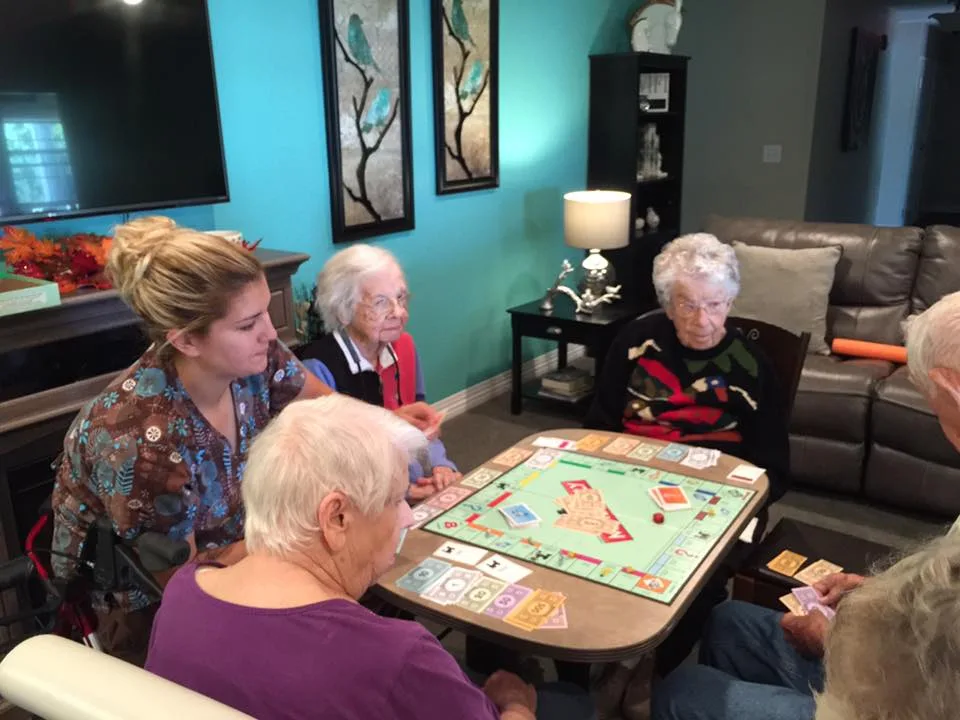
Shepherd Premier’s page on daytime health support describes adult day care as a structured daytime option. It may include activities, social connection, meals, and help with daily routines while the person continues to live at home. The page also asks families to confirm supervision, personal support, medication assistance, transportation, and emergency steps before choosing a program.
What public sources say the health wording includes
Public agencies describe the health layer more plainly than a brochure title does. The U.S. Administration for Community Living separates two types of adult day programs. Adult social day care centers on activities, meals, recreation, and some health-related services. Adult day health care is described as more intensive health, therapeutic, and social services for people with greater medical needs.
Illinois uses the name Adult Day Service. The Illinois Department on Aging says it is for older adults who want to remain in the community but cannot be home alone during the day because of a physical, social, or mental impairment. Listed services include health monitoring, medication supervision, personal care, recreational and therapeutic activities, and community outings. Nutritious meals and snacks are served, including special diets. Some centers focus on Alzheimer’s disease and related disorders.
Those lists describe what a public program may include. They do not describe every private day program. They also do not describe every Shepherd Premier home. Public materials describe adult day care at the Robinson and Monticello, Illinois, homes only. Ask that home which health tasks are included before you plan work hours around them. A care conversation does not guarantee admission, availability, or a written rate.
For the federal comparison, see the Administration for Community Living fact sheet. For the Illinois service list, see the Illinois Department on Aging Adult Day Service page.
How adult day health care compares with other daytime support
The useful comparison is not the service name. Look at the setting, the hours, the level of oversight, whether health-related support is included, and where the older adult goes at the end of the day.
| Option. | Typical purpose. | Question to clarify. |
|---|---|---|
| Adult day health care. | Structured daytime support that may add health-related or personal-care services to activities and supervision. | Which clinical, personal, and safety supports are actually available? |
| Social adult day care. | Daytime connection, activities, meals, and routine, with a return home afterward. | Can the program support changing mobility, memory, or personal-care needs? |
| Companion or senior-center support. | Social contact or community activities, often with lighter oversight. | Is supervision provided, and who responds if the person becomes unwell? |
| In-home care. | Support in the older adult’s home, from companionship to selected health services. | What tasks can the worker perform, and what backup exists if the worker is absent? |
| Respite care. | A temporary break for a family caregiver, by day or overnight, depending on the provider. | Is the stay at home or in a residence, and which care needs are accepted? |
| Assisted living or memory care. | Residential support when an older adult needs an ongoing living arrangement. | What care is available around the clock, and how are fit and pricing assessed? |
Adult day health care and social adult day care
These terms can overlap. The word health should still prompt a closer look. A social day program may focus on activities, meals, conversation, and a predictable routine. An adult day health program may add health-related support. Families still need to ask what that support includes.
Neither label tells you whether a program fits a person living with dementia, recovering from an illness, using mobility equipment, or needing help with personal routines. Ask for a written list of services, the daily schedule, how supervision works, and how the team reviews a person’s needs.
Adult day health care and companion or senior-center programs
A companion visit or a senior-center activity can reduce isolation and add structure. It may fit when the older adult is safe with lighter oversight and does not need personal or health-related help during the visit. It may not be enough when the family needs dependable supervision or a formal response plan.
Ask whether the person can take part independently. Ask whether transportation is available. Ask who is responsible if the person becomes confused, unwell, or unable to get home as planned. A social opportunity and a care program can both help. They solve different problems.
Adult day health care and in-home care
In-home care brings support to a familiar place. It can help when travel is hard, when routines work better at home, or when the family needs one-to-one assistance. A daytime program offers a different setting, with group activities and time around other people.
Compare hours, travel, transportation, one-to-one needs, backup staffing, and what the older adult prefers. Also ask whether a home-care worker provides companionship only, personal care, or health services. The National Institute on Aging notes that services for people living at home can include help with everyday activities, companion visits, home health care, and caregiver support. Coverage and provider duties still vary.
Adult day health care and respite care
Adult day health care can create a repeating daytime window, with a return home. Respite care is the break it gives a caregiver. It may be daytime, overnight, or a longer short stay. Some families use both at different times.
Ask whether respite is offered during the day, overnight, or for a longer visit. Confirm the setting, dates, care level, medication process, emergency steps, and total cost. Do not assume a day program covers the night. Do not assume a residential respite stay follows a day-program schedule.
Adult day health care and assisted living or memory care
Adult day health care is generally a daytime plan with a return home. Assisted living and memory care are residential options for people who need support beyond a daytime schedule. One is not a shorter version of the other.
Shepherd Premier is a family-owned provider of small, home-style residences for assisted living and memory care in Illinois and Wisconsin. The Schwab family started the company after a difficult experience in a large facility, and it has operated since 2014. That residential model is separate from a day program. Public day-program descriptions are limited to Robinson and Monticello. They are not confirmed at every home. Memory care is also property-specific, including at Crystal Lake, where it should not be assumed.
These pages are starting points. They are not a promise that every location offers the same care, room types, staffing, pricing, or availability. A home-specific conversation is how a family checks fit. The conversation does not guarantee admission or a written rate.
Questions to ask before choosing a program
Bring the same list to each provider so the answers can be compared.
- What days and hours are offered, and is a set schedule required?
- What does health care mean here? Which services are provided, and which need another professional?
- How does the team support memory loss, mobility limits, or personal-care needs?
- What happens if the older adult becomes ill, needs more help, or cannot attend?
- Is transportation available, and what area, schedule, and fees apply?
- How are meals, dietary needs, medication questions, and emergencies handled?
- How does the team update the family during and after the day?
- What is the current rate, what is included, and what could cost extra?
- What care conversation is required before the first day?
Ask the older adult what would make the day feel comfortable. A familiar routine, a quiet space, favorite activities, or time with other people may matter as much as the service label. If the person is living with Alzheimer’s disease or another dementia, ask about transitions, communication, wandering, and how the team learns preferences.
Compare the full day, not only the service name
Cost and convenience can make one option look easier at first. The full arrangement still matters. A daytime program may charge by the day or hour, add transportation fees, or require a minimum schedule. In-home care may be priced by the hour and may require a minimum visit. Respite and residential options may use different rates. Ask each provider for a current, itemized explanation in writing.
Also compare the time the family must cover around the service. A program that ends before the caregiver gets home leaves a gap. Transportation can add time or cost. A person who needs help getting ready may need in-home assistance before the program begins. A service fits only when the whole weekday works.
When you talk about payment, ask what is included and which needs could change the rate. Do not treat the phrase adult day health care as proof that Medicare, Medicaid, long-term care insurance, or veterans benefits will pay. Confirm eligibility with the program and with the benefit administrator.
When a family should look at another level of support
A changing routine, repeated falls, more confusion, missed medications, or a caregiver who is exhausted can mean the current plan needs another look. These signs do not point to one service by themselves. They are reasons to describe what is happening and talk with the right professionals and providers.
Describe the day instead of asking only for a label. Note when help is needed, what the person can still do, what prompts help, and what happens after an activity. A written routine shows whether a group day, one-to-one support, or a fuller arrangement is the closer fit. Caregiver support belongs in that same conversation when the family, not only the older adult, is running out of hours.
Look again when the current service stops being dependable. A caregiver may need steadier coverage. Transportation may get harder. The older adult may need help outside program hours. Ask how the provider notices changing needs, and whether it will say when a different service is the better fit.
Families comparing a future move can review Shepherd Premier’s senior living locations. Each home is property-specific. Confirm the care type, services, pricing, and availability for that home. Published bed counts are capacities, not open rooms.
Start with a care conversation
Adult day health care can sit between staying home without enough daytime support and moving to a residence. The right choice still depends on the person, the schedule, and what the program actually does. A clear comparison helps a family ask better questions. A familiar label does not guarantee a service.
If you are comparing daytime programs, respite, or residential care, call about the options currently available. A call or tour can clarify fit and next steps. It does not guarantee admission or a written rate.
Learn more about daytime health support and the questions to ask before scheduling a program.
Frequently asked questions
What does adult day health care mean?
It usually means a daytime program with more health-related support than a social activity program. Federal materials describe more intensive health, therapeutic, and social services. Local programs still differ, so ask which tasks are included.
Is adult day health care the same as adult day care?
Not always. Adult day care is the broader daytime idea: supervision, activities, and a return home. Health care in the name can mean monitoring, medicine help, or personal care. Confirm the services instead of trusting the label.
Does a health-oriented day program replace a doctor?
No. Daytime monitoring is not primary care, emergency care, or a diagnosis. Illinois lists health monitoring and medication supervision as Adult Day Service components. Those are program services, not a substitute for the person’s own clinicians.
Can someone with dementia attend?
Sometimes. Illinois notes that some Adult Day Service centers focus on Alzheimer’s disease and related disorders. Fit still depends on the person and the program. Describe memory, wandering, personal care, and behavior, and ask what the program will not take on.
Does Shepherd Premier offer this at every home?
No. Public materials describe adult day care at Robinson and Monticello, Illinois, not as a chain-wide service. Call (847) 961-2551 and ask which home, if any, currently offers the daytime support you need.